
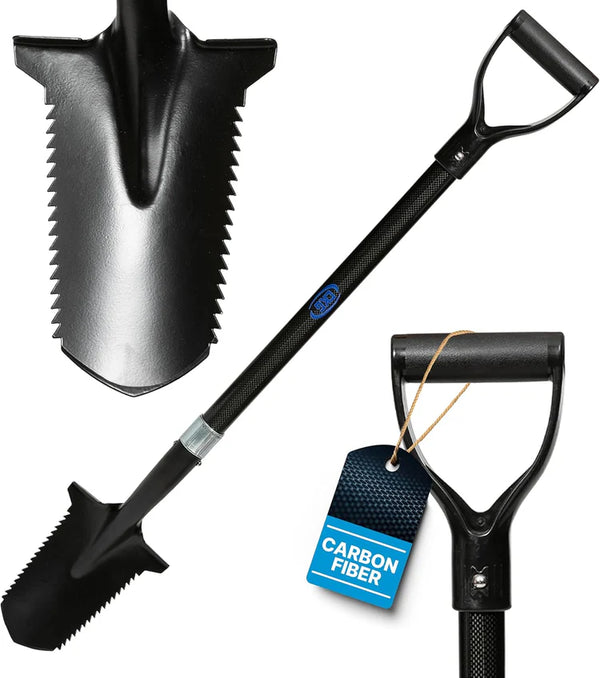
5 products · ★ 4.9 avg
Metal-Detecting Shovels
FREE Shipping $50+1 YR Warranty30 D Returns4.9★ 3,200+ reviews
Hand-welded in our workshop
1-year manufacturer warranty
Free shipping over $50
30-day returns, no questions
How to choose your gear
1
Pick your basket size
9x6 compact for travel, 11x7 the all-rounder, 11x8 & 12x9 for big hauls on soft sand.
2
Choose the material
Stainless = tough and great value. Titanium = lightest and fully rust-proof for salt water.
3
Match the hole pattern
8mm drains fine sand fast, 10mm clears coarse shell beaches, hex sheds wet-pack sand.
Why CKG outdig the rest
Head-to-head with a generic tool at a similar price.
| Feature | CKG | Generic |
|---|---|---|
| Basket material | 304 marine stainless | Thin galvanized steel |
| Welds | Hand-welded & deburred | Spot-welded, sharp edges |
| Drainage | Precision holes | Rough-punched, clogs |
| Handle coupler | Universal threaded | Proprietary / loose |
| Warranty | 1 year, hassle-free | None or 30 days |
| Made by | Hand-built by detectorists | Mass-produced overseas |
Top reviews from this category
Mark R. · Verified
★★★★★
Sifts wet sand like nothing
Dug a sterling ring on day two. Drains instantly, no clogging, and the edge bites into packed sand. Built like a tank.
Lena K. · Verified
★★★★★
Light enough for all-day hunts
Bought the titanium for shallow-water wading - rust-proof and so light my arm never tires. Worth every penny.
Still not sure which to pick?
Take our 30-second gear quiz or chat with a real detectorist on our team - answers in minutes.
Buying guide
The right gear comes down to where you hunt and what you are after. Set a per-collection guide via the collection metafield custom.buying_guide, or edit this text in the theme editor.
Metal Detecting Shovels and Hunting Shovels for Clean Target Recovery
Metal detecting shovels are not ordinary garden tools. A metal detector can locate a signal, but the shovel is what turns that signal into a recovered coin, relic, ring or piece of history. That is why serious detectorists choose metal detecting shovels and hunting shovels that are built for clean plugs, hard ground, roots, clay, fields, woods and repeated target recovery.
A good metal detector shovel should dig cleanly, cut through roots when needed and help recover targets without making a messy hole. For coin hunting, relic hunting and treasure hunting, the right hunting shovels can make the difference between slow digging and fast, controlled recovery. A weak garden shovel may bend in compact soil. A real metal detecting shovel is made to work with the rhythm of the hunt.
If you are looking for metal detecting shovels, metal detector shovel options, hunting shovels, best metal detecting shovel choices, metal detecting shovel for sale or a digging shovel for metal detecting, the goal is simple: choose a shovel that matches the ground, the target and the place where you hunt.
Why Metal Detecting Shovels Matter
Metal detecting shovels matter because digging is part of every real hunt. Every target requires the same process: locate the signal, cut the ground, lift the plug, check the hole, recover the target and close the spot cleanly. When the shovel is weak, too heavy or poorly shaped, every recovery becomes harder.
A metal detector shovel should help with target recovery, not just move dirt. In parks and lawns, the shovel should help cut a clean plug. In fields and woods, the shovel should handle roots, hard ground and compact soil. In relic hunting locations, hunting shovels need enough strength to open deeper signals without bending.
The best metal detecting shovel is not always the biggest shovel. It is the shovel that helps you dig accurately, recover efficiently and leave the ground looking neat. For many detectorists, a good metal detecting shovel becomes just as important as the detector itself.
Metal Detector Shovel vs Regular Garden Shovel
A metal detector shovel is different from a regular garden shovel because metal detecting requires precision. Garden shovels are usually made for general yard work. Metal detecting shovels are used again and again in parks, fields, woods, clay soil, rocky soil and root-filled ground.
A regular garden shovel may work in soft soil, but it can feel awkward when cutting plugs or working around a target. A metal detector shovel is usually more compact, easier to control and better suited for clean recovery. A hunting shovel for metal detecting should help you dig the right area without opening a hole that is too wide.
When detectorists talk about the best metal detecting shovel, they usually care about strength, blade shape, handle style, serrated edge, weight and comfort. These details matter because digging with a metal detector is repetitive. A shovel that feels fine for one hole may become tiring after fifty signals.
Hunting Shovels for Treasure Hunting
Hunting shovels are useful for detectorists who search fields, woods, old homesites, farms and relic hunting locations. In these places, the soil can be harder, deeper and more unpredictable than beach sand or soft lawns. A hunting shovel needs enough strength to handle roots, clay, rocks and compact ground.
A good hunting shovel should feel stable under pressure. When you step on the blade or pry under a plug, the shovel should not bend easily. For treasure hunting and relic hunting, this matters because many targets are deeper and the ground is often rougher.
Hunting shovels are also useful when a hand digger is too slow. A hand tool gives precision, but a metal detecting shovel gives leverage. The best setup often includes both: a shovel for opening the plug and a smaller digger or pinpointer for careful final recovery.
Best Metal Detecting Shovel: What to Look For
The best metal detecting shovel should match your hunting conditions. If you hunt parks, you need a shovel that can cut clean plugs and does not look too aggressive. If you hunt fields, you need a shovel that can handle deeper targets and harder soil. If you hunt woods, you may need a serrated metal detecting shovel that can cut through roots.
Blade shape is important. A narrow blade can help make cleaner plugs. A sharp edge can cut into turf. A serrated edge can help with roots. A strong point can enter compact ground more easily. The best metal detecting shovel should feel like a recovery tool, not just a digging tool.
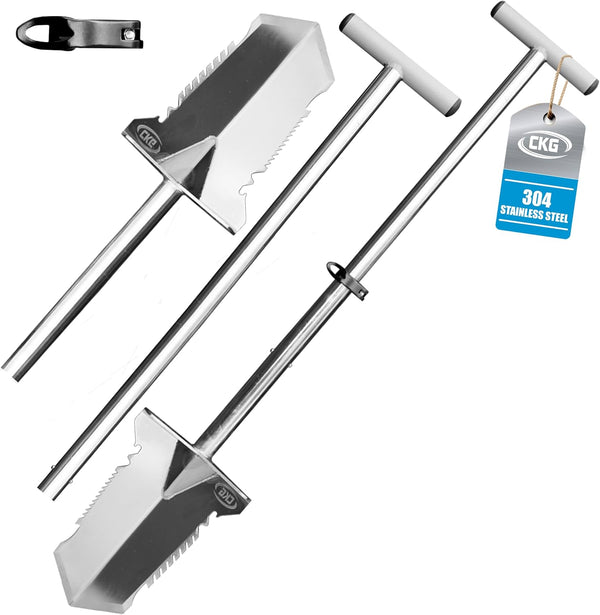
Handle design also matters. A T-handle metal detecting shovel can give control and leverage. A D-handle shovel can feel comfortable for repeated digging. A short handle shovel is easier to carry. A longer handle can reduce bending. The best metal detector shovel is the one that fits your body, your ground and your detecting style.
Serrated Metal Detecting Shovel
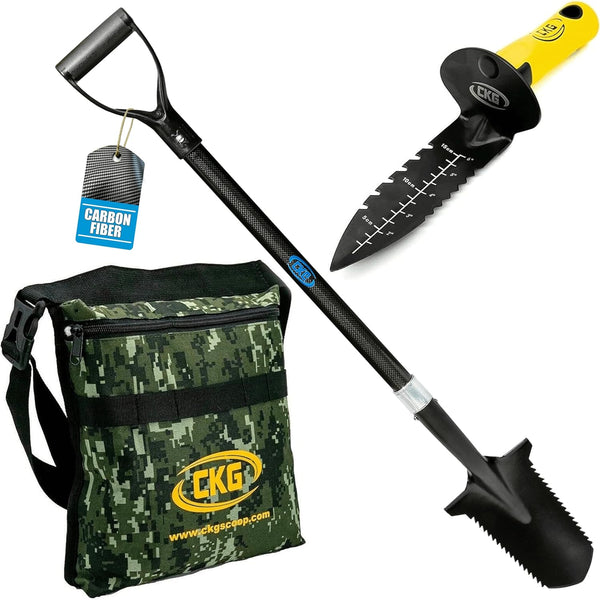
A serrated metal detecting shovel is useful when roots, turf and hard ground slow down recovery. A serrated edge can help cut through small roots and thick grass. This makes the shovel more practical in parks, woods, fields and old sites where roots are common.
A serrated shovel for metal detecting is not only about power. It is about control. When roots stop the plug from lifting cleanly, a serrated blade can help finish the cut without tearing the ground apart. This is useful for clean plug recovery and responsible detecting.
However, serration should be practical. A shovel with aggressive teeth on both sides may not always be the best choice for clean plugs. For some detectorists, one serrated side and one smoother side can feel more balanced. The right serrated metal detecting shovel should cut roots but still allow neat recovery.
Metal Detecting Shovel for Clean Plugs
Clean plugs are important in metal detecting. If the ground is left messy, permissions can be lost and public spaces can become closed to detectorists. A metal detecting shovel should help cut a clean plug, lift it carefully and allow the hunter to replace it after the target is recovered.
A metal detector shovel with the right blade shape can make clean plug recovery easier. The blade should be strong enough to enter the ground but controlled enough to avoid tearing turf. In parks and lawns, clean digging matters as much as finding the target.
When choosing metal detecting shovels, think about where you hunt. A large hunting shovel may be useful in fields, but a more compact shovel or hand digger may be better in public lawns. The best metal detecting shovel is the tool that helps recover the target while respecting the ground.
Heavy Duty Metal Detecting Shovel
A heavy duty metal detecting shovel is useful for hard ground, clay, rocky soil and deep signals. In these conditions, a light or weak shovel can bend, twist or become frustrating. A strong metal detector shovel gives more confidence when digging into difficult ground.
Heavy duty hunting shovels are often used for field hunting and relic hunting. These areas may have roots, compact soil, rocks and deeper targets. A stronger blade and handle can save time and reduce the risk of tool failure.
That said, heavy duty does not mean the shovel should be uncomfortable. A metal detecting shovel must still be easy to carry during a long hunt. The best heavy duty metal detecting shovel balances strength, weight and control.
Compact Metal Detecting Shovel
A compact metal detecting shovel is useful when you need a portable tool that is still stronger than a hand digger. Compact hunting shovels are easier to carry, easier to store and less tiring during long walks.
For detectorists who move between parks, fields and woods, a compact shovel can be a practical choice. It gives more leverage than a trowel but does not feel as bulky as a full-size shovel. A compact metal detector shovel can be especially useful for coin hunting and light relic hunting.
A compact shovel should still be strong. If the blade bends or the handle feels unstable, the smaller size becomes a problem. A compact metal detecting shovel should be short enough to carry but strong enough to dig real plugs.
T-Handle and D-Handle Hunting Shovels
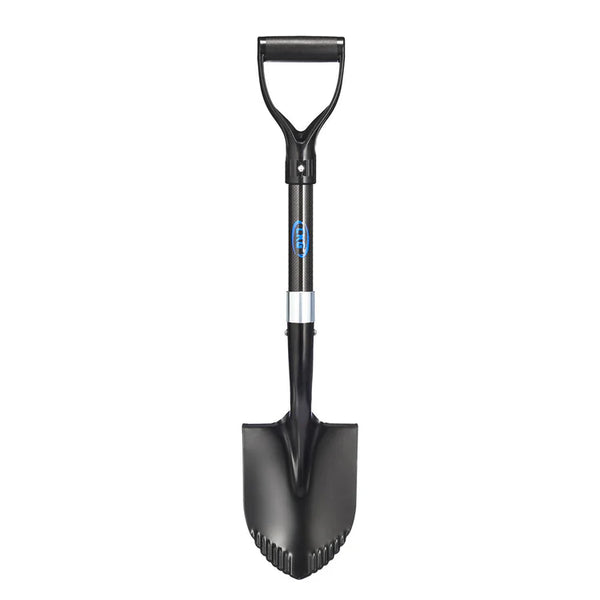
T-handle and D-handle hunting shovels are popular because handle shape affects comfort. A T-handle metal detecting shovel can give good control when cutting plugs and lifting soil. A D-handle can feel comfortable for repeated digging and may give a more familiar grip.
The best handle style depends on the detectorist. Some people prefer a T-handle because it feels compact and direct. Others prefer a D-handle because it gives more hand space. Both types can work well if the shovel blade and shaft are strong.
When choosing hunting shovels, handle comfort should not be ignored. A shovel that cuts well but feels awkward in the hand can become tiring. A good metal detecting shovel should feel balanced from blade to handle.
Metal Detecting Shovel for Sale: What to Compare
When looking for a metal detecting shovel for sale, compare more than price. A cheap shovel may seem like a good deal, but if it bends in clay or struggles with roots, it can slow down every hunt. Metal detecting shovels should be judged by durability, blade shape, handle comfort and intended use.
Look at the blade first. Is it narrow enough for plugs? Is it strong enough for hard ground? Does it have a serrated edge for roots? Then look at the handle. Is it comfortable? Is the length right? Does it reduce bending or make carrying easier?
Also think about where you hunt. A park hunter may need a different metal detector shovel than a relic hunter in fields. A beach hunter may need a sand scoop instead of a soil shovel. The best metal detecting shovel for sale is the one that matches your real use.
Metal Detectable Shovels: Search Intent Note
Some users search for metal detectable shovels, but this phrase can have more than one meaning. In industrial contexts, metal detectable shovels can refer to tools designed to be found by metal detection systems in food or manufacturing environments. For detectorists, the more accurate phrase is usually metal detecting shovels.
For a CKG-style recovery page, the better SEO focus is metal detecting shovels, metal detector shovel, hunting shovels and digging shovel for metal detecting. These phrases match the actual intent of treasure hunters, relic hunters and detectorists who need digging tools.
Using metal detectable shovels only once or twice can help catch misspellings or mixed queries, but the page should stay focused on metal detecting shovel use.
How to Choose Hunting Shovels for Metal Detecting
To choose hunting shovels for metal detecting, start with the ground. For soft soil and shallow targets, a compact shovel or hand digger may work. For hard ground, clay or roots, choose a stronger metal detecting shovel with a durable blade. For woods and relic sites, a serrated edge can be useful.
Next, think about the location. Parks require clean plugs and careful recovery. Fields allow stronger digging tools. Woods often need root-cutting ability. The shovel should match the permission, the ground and the type of target.
Then think about comfort. A shovel that is too heavy can make long hunts tiring. A shovel that is too short can cause too much bending. A shovel that is too weak can bend under pressure. The best hunting shovels give strength without making recovery uncomfortable.
Build Your Recovery Setup with CKG
Metal detecting shovels and hunting shovels are essential for detectorists who want faster, cleaner and more controlled target recovery. A detector can find the signal, but the shovel helps recover the target. The right metal detector shovel can cut plugs, handle roots, work in hard ground and make every dig more efficient.
Whether you need metal detecting shovels, a metal detector shovel, hunting shovels, best metal detecting shovel options, heavy duty metal detecting shovel, compact metal detecting shovel, serrated metal detecting shovel or a digging shovel for metal detecting, the right tool should match the way you hunt.
CKG recovery tools are made for detectorists who need practical gear for real ground conditions. Choose the shovel that fits your soil, your targets and your hunting style, and make every signal easier to dig, recover and close cleanly.