

18 products · ★ 4.9 avg
Digging
Shovels, diggers & handles.
FREE Shipping $50+1 YR Warranty30 D Returns4.9★ 3,200+ reviews
Hand-welded in our workshop
1-year manufacturer warranty
Free shipping over $50
30-day returns, no questions
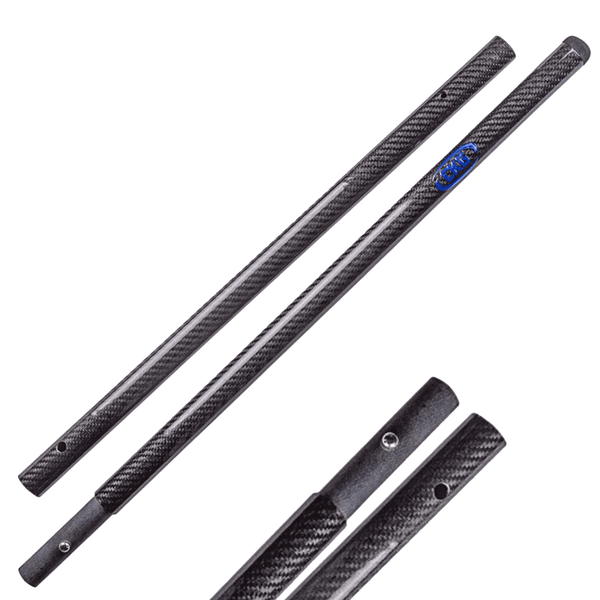
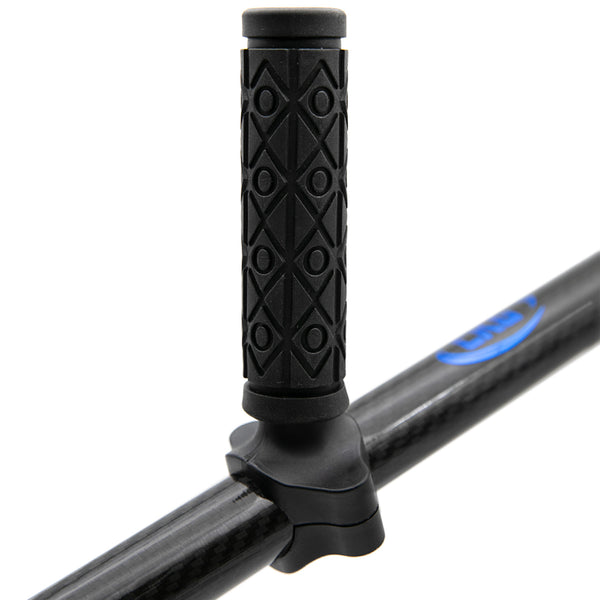
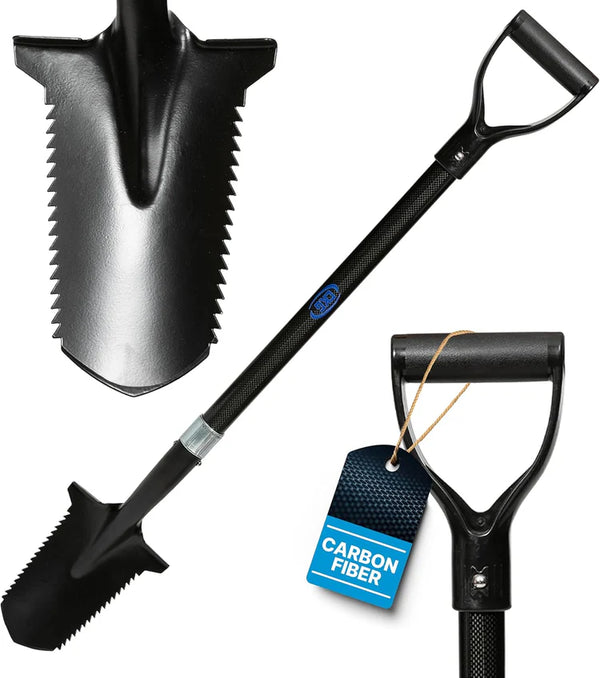
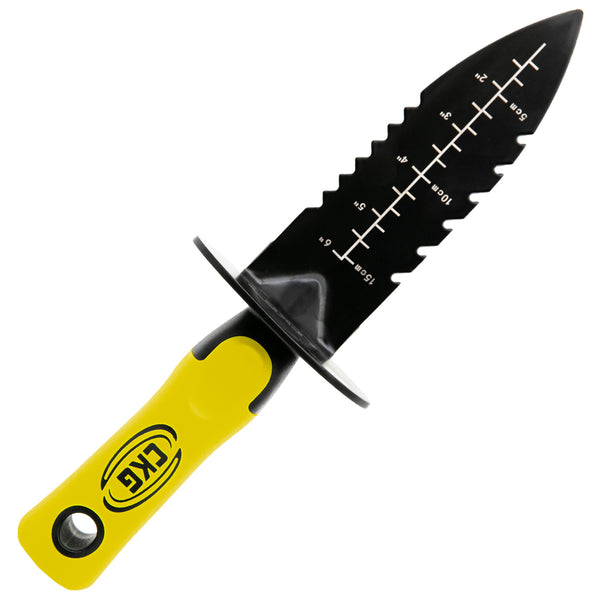
CKG Digging Tool
£25.00
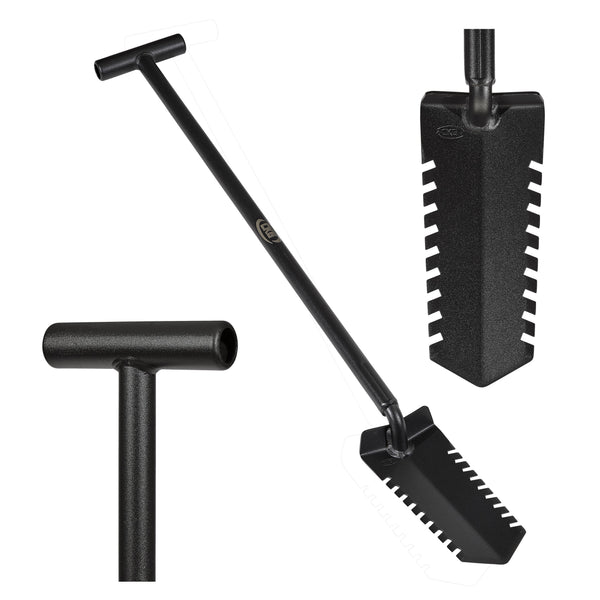
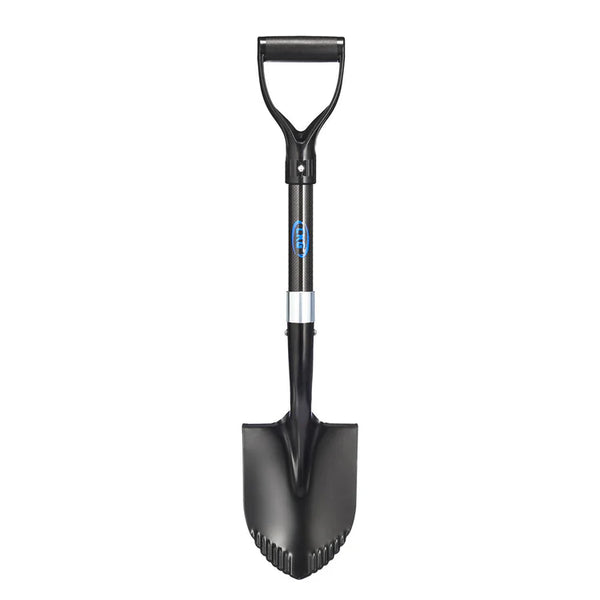

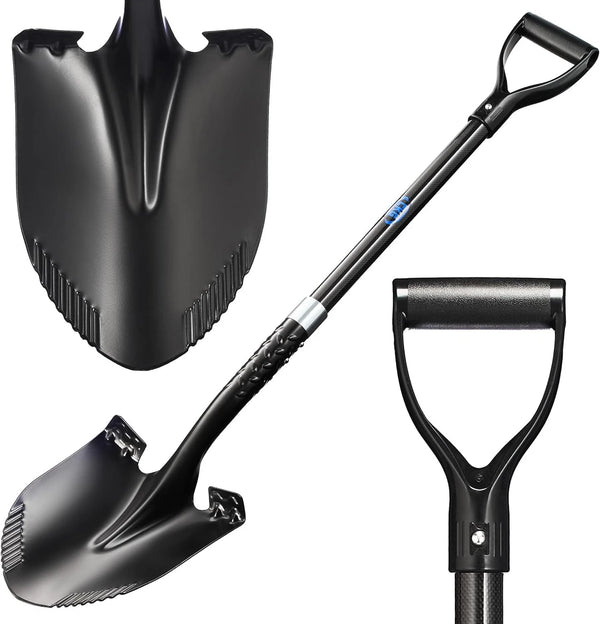
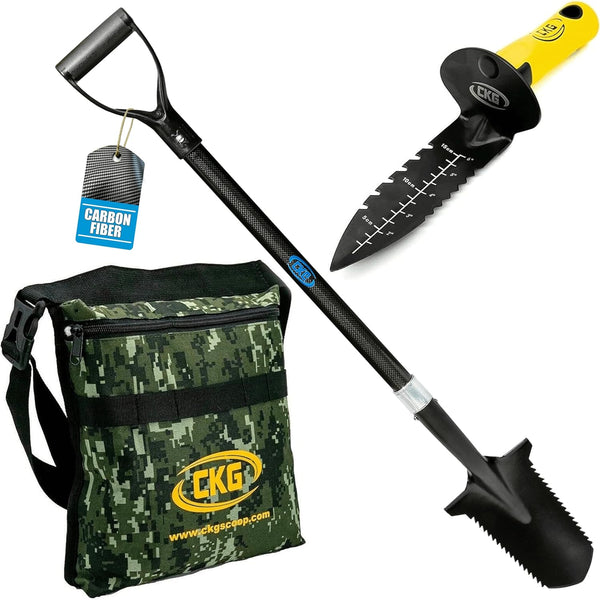
Carbon Shovel Set
£83.00
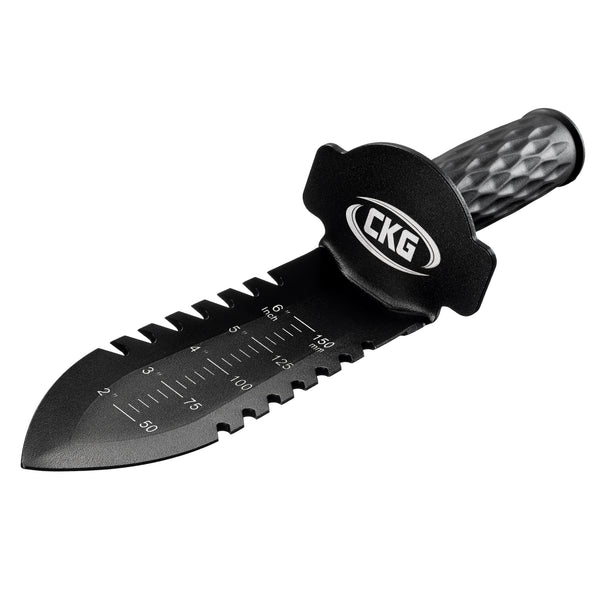
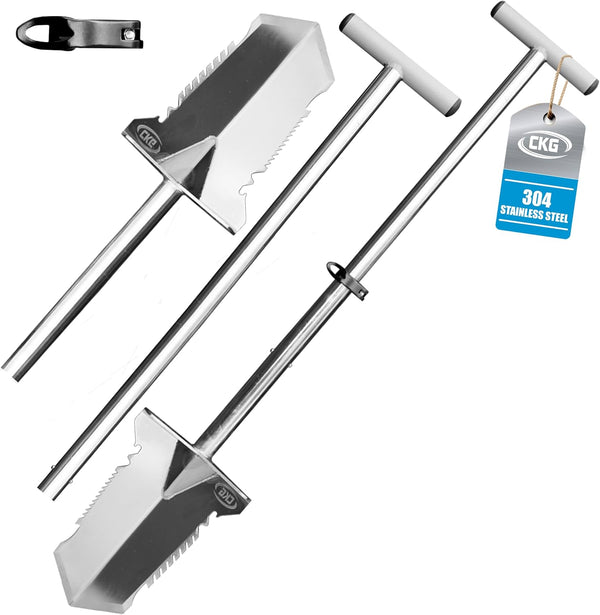
Double Serrated Blade Shovel
£77.00

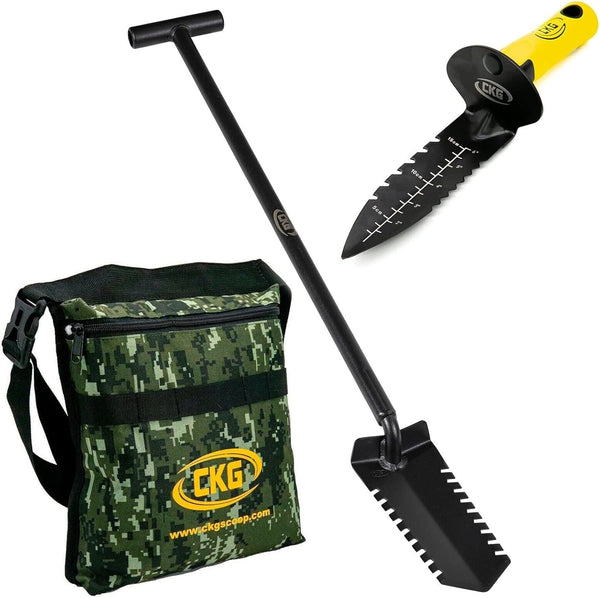
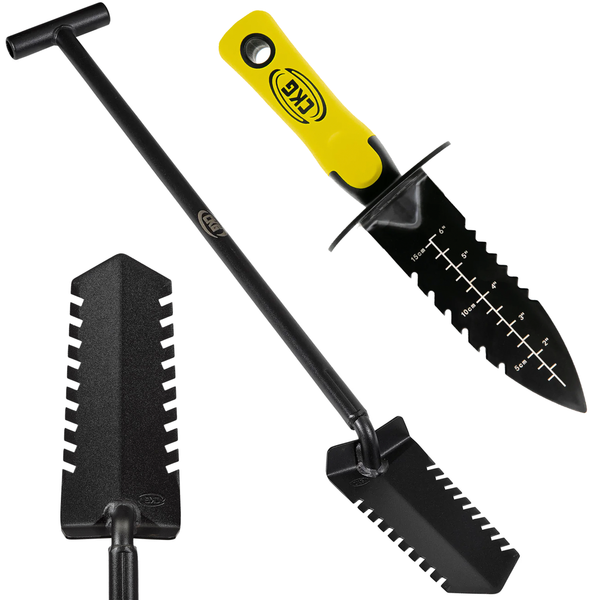
CKG Pro Digging Duo Kit
£88.00
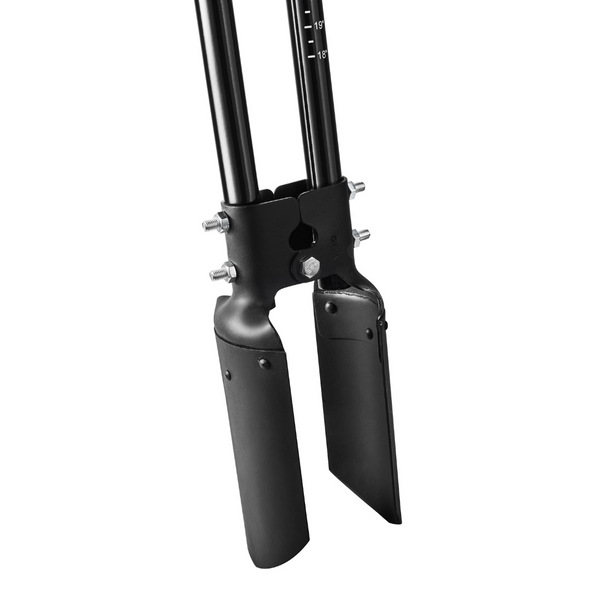
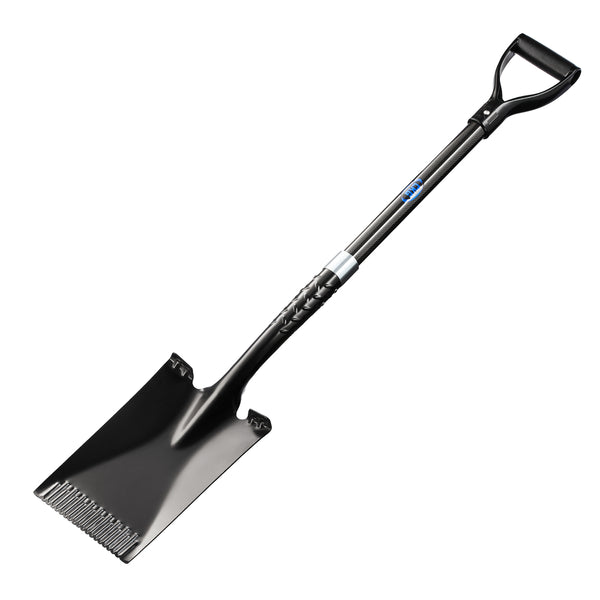
CKG Carbon Fiber Flat Shovel
£40.00
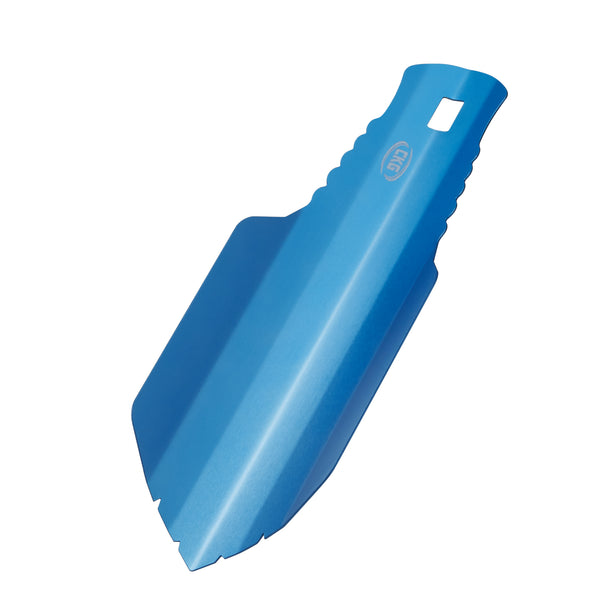
How to choose your gear
1
Pick your basket size
9x6 compact for travel, 11x7 the all-rounder, 11x8 & 12x9 for big hauls on soft sand.
2
Choose the material
Stainless = tough and great value. Titanium = lightest and fully rust-proof for salt water.
3
Match the hole pattern
8mm drains fine sand fast, 10mm clears coarse shell beaches, hex sheds wet-pack sand.
Why CKG outdig the rest
Head-to-head with a generic tool at a similar price.
| Feature | CKG | Generic |
|---|---|---|
| Basket material | 304 marine stainless | Thin galvanized steel |
| Welds | Hand-welded & deburred | Spot-welded, sharp edges |
| Drainage | Precision holes | Rough-punched, clogs |
| Handle coupler | Universal threaded | Proprietary / loose |
| Warranty | 1 year, hassle-free | None or 30 days |
| Made by | Hand-built by detectorists | Mass-produced overseas |
Top reviews from this category
Mark R. · Verified
★★★★★
Sifts wet sand like nothing
Dug a sterling ring on day two. Drains instantly, no clogging, and the edge bites into packed sand. Built like a tank.
Lena K. · Verified
★★★★★
Light enough for all-day hunts
Bought the titanium for shallow-water wading - rust-proof and so light my arm never tires. Worth every penny.
Still not sure which to pick?
Take our 30-second gear quiz or chat with a real detectorist on our team - answers in minutes.
Buying guide
The right gear comes down to where you hunt and what you are after. Set a per-collection guide via the collection metafield custom.buying_guide, or edit this text in the theme editor.
Digging Tools for Metal Detecting: How to Choose the Right Recovery Tool
Digging tools metal detecting users choose can decide how fast, clean and comfortable every hunt feels. A metal detector can locate a signal, but the recovery tool is what turns that signal into a coin, relic, ring or other real find. That is why digging tools metal detecting setups should be chosen carefully, especially if you hunt parks, fields, woods, beaches, hard ground or areas with roots.
Metal detector digging tools are not the same as ordinary garden tools. A cheap garden trowel may work for soft soil, but it can bend, slip or fail when the ground becomes compacted. Real metal detector digging tools are made for target recovery, plug cutting, root cutting and repeated outdoor use. The best digging tool metal detecting setup should help you dig cleaner, recover faster and leave the ground looking as close to untouched as possible.
If you are looking for digging tools metal detecting, metal detector digging tools, best digging tool metal detecting, metal detecting digging tools for sale or advice on digging with metal detector signals, the goal is simple: choose the right tool for the ground, the target and the place where you are hunting.
Why Digging Tools Metal Detecting Users Choose Matter
Digging tools metal detecting hunters use matter because recovery is repeated many times during one session. Every signal means the same process: locate, cut, dig, check, recover and close the hole. When the tool is weak, uncomfortable or too large for the location, every target becomes harder.
Metal detector digging tools should help with clean target recovery. In parks and lawns, that means cutting a neat plug and replacing it carefully. In fields and woods, that means getting through roots, clay, dry soil or rocky ground. On beaches, it can mean using a sand scoop or shovel designed for loose material. The best digging tool metal detecting users carry depends on the location.
A good recovery tool helps protect the place where you hunt. Messy holes, torn grass and scattered soil can create problems for detectorists. Clean plugs and careful recovery help keep permissions open and make the hobby more responsible.
Metal Detector Digging Tools vs Regular Garden Tools
Metal detector digging tools are built for a different job than regular garden tools. Garden tools are made for planting, light soil work or occasional digging. Metal detector digging tools are made for precise target recovery, repeated plugs and ground conditions that can change quickly.
A standard trowel may bend in hard ground. A weak shovel may struggle with roots. A tool without a serrated edge may take longer to cut turf or compacted soil. This is why many detectorists move from cheap garden tools to dedicated digging tools metal detecting gear.
The best digging tool metal detecting setup should feel strong in the hand, cut cleanly and give enough control near the target. When digging with metal detector signals, control is important. You want to recover the object without damaging it and without making the hole larger than necessary.
Best Digging Tool Metal Detecting: What to Look For
The best digging tool metal detecting choice depends on your hunting conditions. There is no single tool that is perfect for every place. Parks, fields, woods, beaches and hard ground all require different recovery styles.
For parks and lawns, the best digging tool metal detecting option is often a compact hand digger, digging knife or narrow trowel. These tools help cut clean plugs and keep the hole small. A hand digger is easier to carry and less aggressive-looking than a full shovel, which can matter in public spaces.
For fields and woods, a metal detecting shovel or T-handle shovel may be better. These metal detector digging tools give more leverage and can handle roots, compacted soil and deeper targets. For relic hunting or farm fields, a stronger shovel can save time and effort.
The best digging tool metal detecting users can buy should match three things: the soil, the location and the type of recovery needed.
Metal Detecting Hand Digger
A metal detecting hand digger is one of the most common metal detector digging tools. It is compact, easy to carry and useful for clean target recovery. Many detectorists use a hand digger for parks, lawns, yards, playgrounds and shallow targets.
A hand digger is useful when digging with metal detector signals close to the surface. It gives better control than a large shovel and helps reduce unnecessary damage to the ground. A good hand digger can cut a plug, loosen soil and help recover the target without opening a wide hole.
For many beginners, a hand digger is the first real tool after the detector and pinpointer. It is simple, practical and easy to understand. If you are comparing metal detecting digging tools for sale, a hand digger is one of the first items to consider.
Metal Detecting Shovel
A metal detecting shovel is useful when you need more power than a hand digger can provide. Fields, woods, clay, roots and deeper targets often need a stronger tool. A metal detecting shovel gives more leverage and can help cut deeper plugs faster.
A shovel is one of the most practical digging tools metal detecting users carry when they hunt open land. It works well for relic hunting, farm fields, wooded areas and hard ground where small tools can become tiring. A metal detector shovel can also help when the signal is deeper or the soil is compacted.
However, a metal detecting shovel is not always the right tool for every place. In parks or maintained lawns, a large shovel may look too aggressive or create concern. In those areas, a hand digger or smaller plug-cutting tool may be better. The best metal detector digging tools are chosen for the location, not just for strength.
Serrated Digging Tools for Roots and Hard Ground
Serrated digging tools are popular because roots and turf can make recovery difficult. A serrated blade or serrated edge helps cut through small roots, grass and packed soil. This can make digging with metal detector signals faster and cleaner.
A serrated hand digger is useful for parks and lawns where roots may be near the target. A serrated shovel is useful for fields and woods where roots are thicker and soil is harder. These metal detector digging tools are especially helpful when the ground is dry, compacted or filled with roots.
The best digging tool metal detecting users choose often includes some type of serrated edge. It does not mean the tool should be aggressive or oversized. It means the tool should cut cleanly and reduce the struggle when the ground gets difficult.
Digging with Metal Detector Signals
Digging with metal detector signals requires patience and the right method. The detector gives the signal, but the digging tool controls how cleanly the target is recovered. Good technique matters just as much as the tool.
First, locate the signal as accurately as possible. Then cut a clean plug or small opening. Use the metal detector digging tool to loosen the soil carefully. If you use a pinpointer, check the hole and the plug before digging deeper. This helps avoid damaging coins, jewelry or relics.
Digging with metal detector signals should not mean making large, messy holes. The goal is controlled recovery. Good digging tools metal detecting users carry should help remove the target while keeping the ground neat. This is especially important in parks, lawns and permission sites.
Metal Detecting Digging Tools for Sale: What to Compare
When looking for metal detecting digging tools for sale, do not choose only by price. A cheap tool may seem fine at first, but it may bend, crack, rust or become uncomfortable after repeated use. Metal detecting digging tools for sale should be compared by material, blade shape, handle comfort, size and intended use.
Look at the blade first. A strong blade should handle soil pressure without bending. A serrated edge can help with roots. A pointed tip can help start a plug. A wider blade can move more soil, while a narrow blade gives more precision.
Next, look at the handle. Metal detector digging tools need a comfortable grip because recovery is repetitive. A poor handle can cause hand fatigue or slip when wet or muddy. The best digging tool metal detecting option should feel stable and balanced.
Finally, think about where you hunt. Metal detecting digging tools for sale may look similar online, but a tool made for soft lawns is not the same as a shovel made for rocky fields. Choose the tool that matches your real ground conditions.
Hand Digger vs Metal Detecting Shovel
A hand digger and a metal detecting shovel are both useful, but they solve different problems. A hand digger is compact and precise. A shovel is stronger and faster for deeper or harder digging.
For parks, lawns and shallow targets, a hand digger is often the better choice. It helps cut smaller plugs and looks less disruptive. For woods, fields and hard soil, a metal detecting shovel can be more efficient. It gives leverage and can handle tougher recovery.
Many experienced detectorists use both types of metal detector digging tools. The hand digger works for careful recovery. The shovel works for open areas and difficult ground. The best digging tool metal detecting setup may not be one tool, but the right combination of tools.
Metal Detecting Trowel and Digging Knife
A metal detecting trowel or digging knife is useful when precision matters. These tools are smaller than a shovel but stronger than many garden trowels. A digging knife can cut plugs, slice roots and help open the ground with control.
A metal detecting trowel works well in softer soil, parks and shallow targets. A digging knife is better when roots and turf are common. These digging tools metal detecting hunters use are popular because they are easy to carry and work well with a pinpointer.
When digging with metal detector signals, a smaller tool can reduce the risk of damaging the target. This matters for coins, relics and jewelry. A large shovel can be fast, but a hand tool gives better control near the find.
Digging Tools for Parks, Fields and Beaches
Digging tools metal detecting users choose should change by location. Parks and lawns need clean plugs. Fields need strength. Woods need root-cutting ability. Beaches often need scoops or sand tools instead of soil shovels.
For parks, choose compact metal detector digging tools that help you cut neat plugs and replace them cleanly. For fields, choose a stronger metal detecting shovel or T-handle tool. For woods, choose a serrated digging tool that can handle roots. For beaches, consider sand scoops or sand recovery tools.
The best digging tool metal detecting setup is not always the most expensive one. It is the setup that matches where you actually hunt. A detectorist who searches old fields needs different gear than someone who hunts parks or beaches.
Clean Plug Recovery
Clean plug recovery is one of the most important parts of responsible metal detecting. A clean plug helps protect grass roots and makes the ground look better after the target is recovered. This matters for permissions, public spaces and private property.
Metal detector digging tools should make clean recovery easier. A sharp blade, good control and the right tool size all help. When the tool is too dull or too wide, the plug can tear. When the tool is too weak, digging becomes messy.
Digging with metal detector signals should always end with replacing the soil and closing the plug carefully. Good digging tools metal detecting users carry should help make that process easier, not harder.
How to Choose Metal Detector Digging Tools
To choose metal detector digging tools, start with your main hunting location. If you mostly hunt parks, choose a hand digger, digging knife or compact trowel. If you hunt fields, choose a strong metal detecting shovel. If you hunt roots and woods, choose a serrated digging tool.
Next, think about target depth. Shallow targets need precision. Deep targets need leverage. If you dig deeper signals often, a shovel may save time. If most targets are near the surface, a hand digger may be enough.
Then compare material and comfort. The best digging tool metal detecting users buy should resist bending, feel good in the hand and stay reliable over time. If you are browsing metal detecting digging tools for sale, look for clear information about blade strength, handle design and intended use.
Build Your Target Recovery Setup with CKG
Digging tools metal detecting users choose should make recovery faster, cleaner and more controlled. A strong detector is important, but target recovery depends on the tool in your hand. Metal detector digging tools help you cut plugs, work through roots, loosen hard ground and recover targets without wasting time.
Whether you need digging tools metal detecting, metal detector digging tools, best digging tool metal detecting, metal detecting digging tools for sale or advice on digging with metal detector signals, the right tool should match your ground and hunting style.
Choose a hand digger for precision. Choose a metal detecting shovel for deeper targets and harder soil. Choose a serrated digging tool for roots and turf. Choose a compact trowel for parks and clean plugs. With the right CKG recovery setup, every signal becomes easier to dig, check and recover.